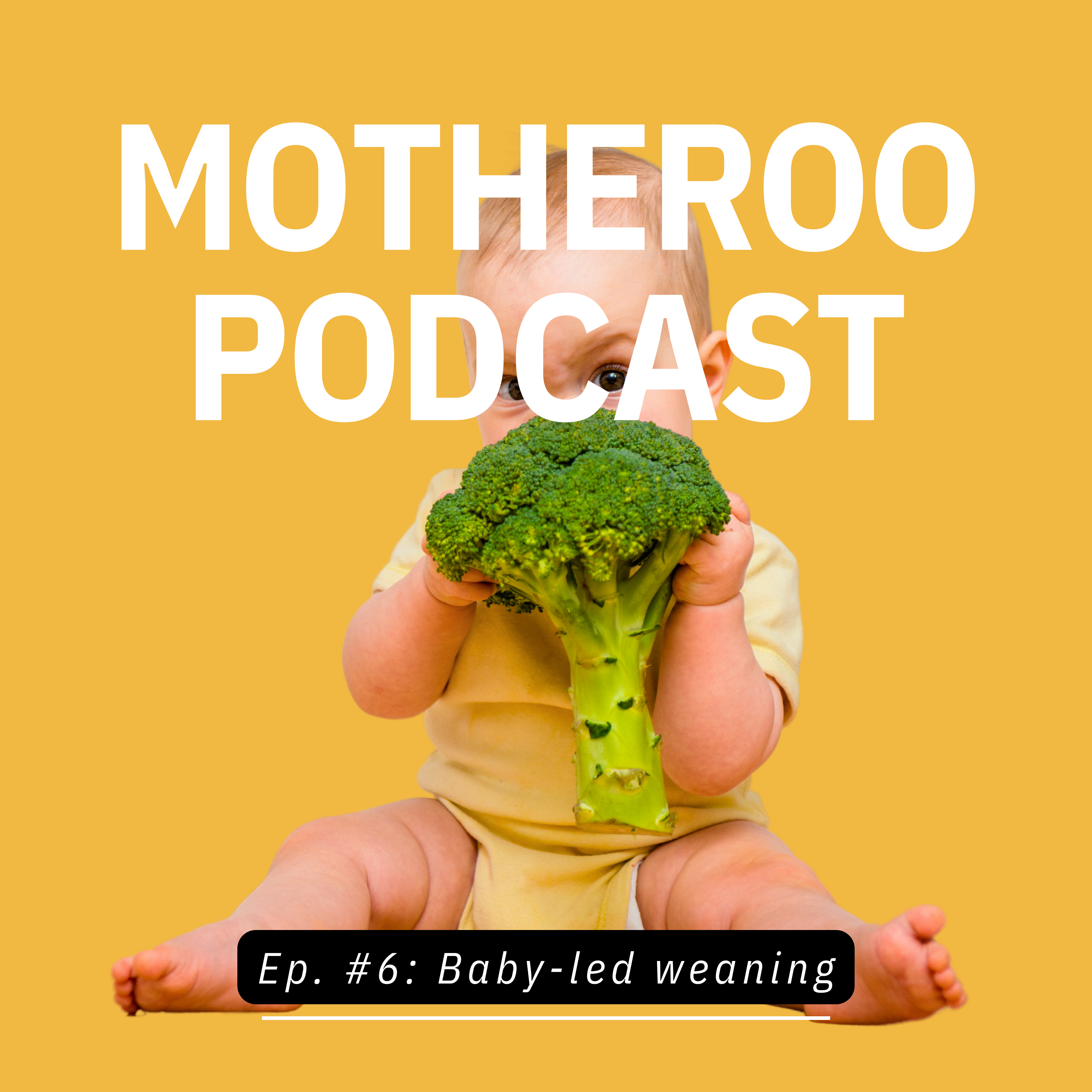
As parents, we are constantly navigating a minefield of food labels. We want the best for our growing toddlers and our own long-term health, but the price tag on “premium” food can be eye-watering. Is it really worth paying extra for organic broccoli or grass-fed mince?
Comment ‘Blog’ and I’ll send you the link to my site where you can read the full blog with all citations included.
The short answer, supported by emerging research, is yes—but you don’t need to change everything at once. This guide breaks down the science of food quality, specifically for developing children, and offers a realistic strategy for prioritizing your grocery budget where it counts the most.
1. Decoding the Labels: What Are You Actually Buying?
Before looking at the benefits, it is crucial to understand the definitions, especially here in Australia where labelling can sometimes be gray.
- Certified Organic: This is the gold standard. In Australia, bodies like ACO (Australian Certified Organic) and NASAA strictly regulate this. It guarantees the food is grown without synthetic pesticides, herbicides, hormones, or GMOs.
- Spray-Free / Pesticide-Free: These terms are unregulated. They generally mean the crop itself wasn’t sprayed, but the soil might still contain chemical residues from previous years, or the farm might not use organic fertilizers. It is often a great, budget-friendly “middle ground,” especially if you can talk to the farmer at a local market.
- Grass-Fed vs. Grain-Fed Beef:
2. The Evidence: Why Quality Matters for Toddlers
The argument for quality isn’t just about “clean eating”; it’s about neurodevelopment and long-term disease prevention.
Pesticides and Developing Brains
Toddlers are not just small adults; their metabolic rates are higher, and their detoxification systems are still maturing.
- Neurodevelopment Risks: Research indicates a consistent link between early-life pesticide exposure and neurodevelopmental deficits. A 2023 review highlighted that exposure to common agricultural pesticides (like organophosphates) is associated with higher risks of ADHD, autism spectrum traits, and cognitive delays in children.
- Immediate Load Reduction: The good news is that switching to organic produce can rapidly reduce pesticide levels in the body. Studies show that replacing conventional produce with organic for just a few days can significantly lower urinary pesticide metabolites.
Nutritional Density: Getting More Per Bite
- Antioxidant Boost: Organic fruits and vegetables have been shown to contain 20–40% higher levels of antioxidants (such as polyphenols and flavonoids) compared to conventional produce. This is likely because plants produce more of their own protective compounds when they aren’t sprayed with synthetic defenses.
- The Omega-3 Advantage in Beef: Grass-fed beef is nutritionally distinct from grain-fed. It contains up to 5 times more Omega-3 fatty acids, which are critical for toddler brain development.
- Better Ratios: The ratio of Omega-6 (inflammatory) to Omega-3 (anti-inflammatory) in grass-fed beef is a healthy 3:1 or lower, whereas grain-fed beef can spike to an unhealthy 10:1 or higher.
3. Strategy: Where to Spend and Where to Save
You don’t need an all-organic pantry to see benefits. Use the “Dirty Dozen” and “Clean Fifteen” lists (updated for 2025) to guide your spending.
Priority 1: The “Dirty Dozen” (Buy Organic/Spray-Free)
These foods have the highest pesticide loads because they have thin skins or are prone to pests. If you can’t find organic, consider swapping them for a different fruit or peeling them (though peeling strawberries is impossible!).
- Strawberries (Consistently the worst offender)
- Spinach & Kale (Leafy greens have high surface area for sprays)
- Grapes
- Peaches & Nectarines
- Apples (Unless peeled, but the skin holds the nutrients)
- Capsicums / Bell Peppers
Priority 2: Animal Fats (Buy Grass-Fed/Organic)
Toxins and pesticides bioaccumulate in animal fat.
- Butter & Mince: If you can only afford one organic animal product, make it butter or high-fat mince. You are directly consuming the concentrated fat where impurities are stored.
- Bone Broth: Bones store heavy metals like lead. Always use certified organic bones for making broth for the family.
Save Money Here: The “Clean Fifteen” (Buy Conventional)
These have thick skins that protect the edible fruit from sprays. You can safely buy these from the standard supermarket aisle to save money.
- Avocados (The cleanest of the bunch!)
- Sweet Corn
- Pineapples
- Onions
- Bananas
- Kiwi Fruit (If you scoop it out)
4. Practical Budgeting Tips for Families
- Look for “In-Conversion”: Farms that are in the 3-year process of becoming Certified Organic often sell “In-Conversion” produce. It is grown organically but sold cheaper because they don’t have the final stamp yet.
- Bulk Buy Meat: Buying a “quarter cow” or bulk packs of grass-fed mince from a local farmer (or online butcher) can bring the price down to match supermarket grain-fed prices.
- The “Spray-Free” Market Stall: Visit your local farmers market (e.g., in WA) and ask the growers: “Do you use sprays?” Many small farms are chemical-free but can’t afford the organic certification fees. This is often the most affordable way to get clean veggies.
- Seasonal Eating: Organic produce is often double the price when out of season. Stick to what is abundant right now to keep costs down.
Summary
The goal isn’t perfection; it’s load reduction. By swapping your strawberries, spinach, and mince to organic or grass-fed options, you eliminate the biggest sources of exposure for your toddler’s developing system. Let the thick-skinned bananas and avocados balance the budget.
References
Organic vs. Conventional Food – The Baby Dietitian. Retrieved from https://thebabydietitian.com/2025/03/31/organic-vs-regular-food-what-does-the-research-say-for-our-children/. Published March 31, 2025.
Grass-Fed vs. Grain-Fed: Which One Has More Omega-3s?. Retrieved from https://www.carnivoresociety.com.au/blogs/resources/grass-fed-vs-grain-fed-omega-3. Published May 15, 2025.
Pesticide effects on children’s growth and neurodevelopment. Science Direct. Published February 27, 2023.
A Comprehensive Analysis of Organic Food. Retrieved from https://pmc.ncbi.nlm.nih.gov/articles/PMC10814746/. Published January 8, 2024.
Implications. NIH/PubMed Central. Published April 25, 2012.
Are organic foods really healthier? Two pediatricians break it down. Retrieved from https://health.ucdavis.edu/blog/good-food/are-organic-foods-really-healthier-two-pediatricians-break-it-down/2019/04. Published April 4, 2019.
Pesticides and neurodevelopment of children in low and middle income countries. PLOS ONE. Published June 10, 2025.
A Systematic Review of Organic Versus Conventional Food. NIH/PubMed Central. Published December 17, 2019.
A review of fatty acid profiles and antioxidant content in grass-fed. NIH/PubMed Central. Published March 9, 2010.
Nutritional Comparisons Between Grass-Fed Beef and Conventional Grain-Fed Beef. Retrieved from https://understandingag.com/nutritional-comparisons-between-grass-fed-beef-and-conventional-grain-fed-beef/. Published March 20, 2022.
Certified Organic, Spray free and everything in between—but what’s it all mean?. Retrieved from https://www.goodharvest.com.au/blogs/news/certified-organic-spray-free-and-everything-in-between-but-what-s-it-all-mean. 2025.
The Dirty Dozen and Clean 15 – Which Foods to Prioritise When Shopping. Retrieved from https://cleanandconscious.com.au/food-nutrition/dirty-dozen-clean-15/. Published September 8, 2025.
Organic labelling – how to tell if it’s the real deal. Retrieved from https://www.foodwise.com.au/organic-labelling/. 2025.
Grass-Fed Beef in Australia. Retrieved from https://fairfieldnutrition.com.au/2019/08/09/grass-fed-beef-in-australia/. Published August 8, 2019.
New Report: 2025 Dirty Dozen & Clean 15. Retrieved from https://www.foodmatters.com/article/your-dirty-dozen-clean-15-lists-are-here-2025. Published June 14, 2025.
How to Choose the Best Grass-Fed Meat for Your Family. Retrieved from https://www.ginginbeef.com/blog/a-family-guide-to-choosing-the-best-grass-fed-meat/. Published April 3, 2025.
EWG’s 2025 Produce Shopping Guide: Clean Fifteen and Dirty Dozen. Retrieved from https://ihgwny.com/blog/article:ewgs-2025-produce-shopping-guide-clean-fifteen-and-dirty-dozen/. Published July 6, 2025.
Is Free-Range Meat Worth the Price? Understanding the Cost. Retrieved from https://campisibutchery.com.au/blog/is-free-range-meat-worth-the-price-understanding-the-cost/. Published February 23, 2025.
Is Spray-Free the same as Organic?. Retrieved from https://sprayfreefarmacy.com/blogs/news/is-spray-free-the-same-as-organic. 2025.